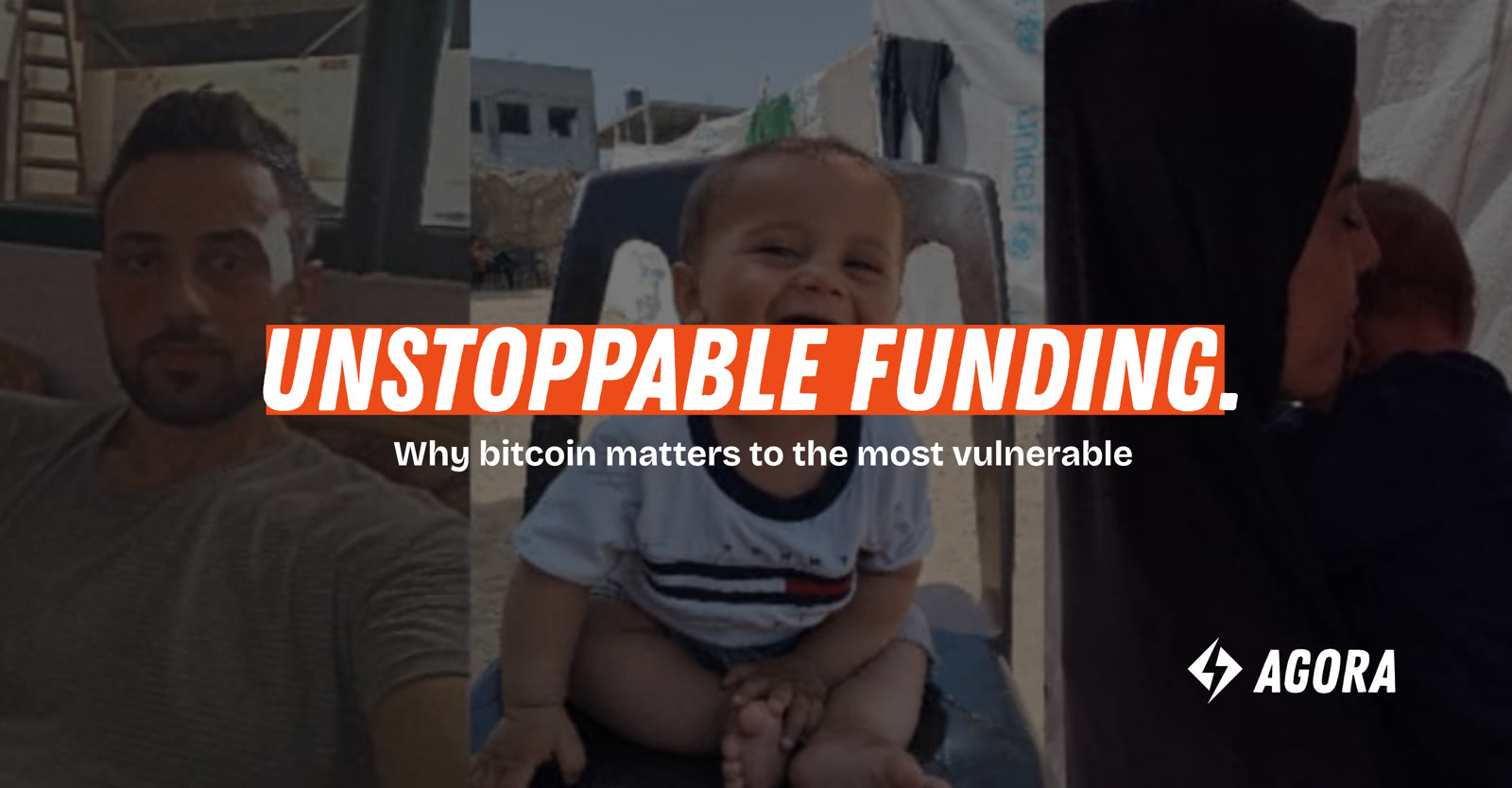
Gaza Families Turn to Bitcoin After Alleged $65,000 Theft
Sami Shannat says a UK middleman withheld over $65,000 raised on GoFundMe for his family in Gaza. Now he's starting over on Agora, the unstoppable Bitcoin crowdfunder.
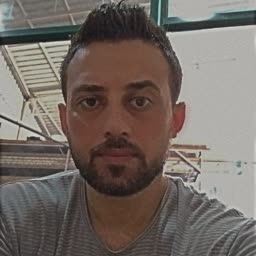
Sami Shannat is a husband and father of two small children in Gaza. He is a food science and technology engineer from an educated family, the son of a doctor. Then the war changed everything. Sami and his family watched their home collapse into rubble. Today, even daily survival in Gaza is a struggle.
"I am a father trying to protect my small family, but amid the complete lack of work and the skyrocketing prices of even the most basic necessities, I find myself unable to provide for my children."
- Sami Shannat
Like many Palestinians, Sami and his family turned to GoFundMe. They are far from alone. According to a January article in Time, more than 12,000 fundraisers for people in Gaza have launched on GoFundMe since the start of the war, raising over $77 million.
The campaign worked. Sami raised more than £55,000 to evacuate his family to safety. And then, he says, the money never reached him.
The Beneficiary Trap
Due to the limitations of traditional payment processors and anti-money laundering laws, all major crowdfunding sites require recipients to be based in the US or Europe. If they're not, the campaign has to find a US or European beneficiary to receive the funds on their behalf. The beneficiary is supposed to pass the money along to the person it was actually raised for.
Sometimes they do. Sometimes they don't. According to Melanie Robbins, Deputy Director of Realign for Palestine, some beneficiaries are taking advantage of the system to charge exorbitant fees, or, in the worst cases, abscond with the donations entirely. This is exactly what Sami says happened to him.
"We previously tried to seek a path to safety. I launched a fundraising campaign to help us evacuate, but we were met with a painful betrayal. The beneficiary in the UK who was receiving the funds on our behalf took the money and refused to transfer it to us, leaving us stranded in these harsh conditions."
- Sami Shannat
Sami's beneficiary was his sister's ex-husband. He had British nationality, which made him the only member of the family able to manage the campaign funds. According to Sami, he kept them. Sami also says his sister had her evacuation campaign donations withheld by the same man, totalling about $26,000. Between them, Sami says, the family lost over $65,000 in donations. That money would have been enough to evacuate both families to safety in Egypt. Sami has shared his story publicly on Instagram, hoping to hold the beneficiary accountable.
This week, Forbes covered Sami's story, and the growing movement of humanitarian crowdfunding on Bitcoin. The reporting confirmed the structure of the campaign: GoFundMe took 3.9% in fees off the top, over £2,100, and sent the rest to a beneficiary. Sami told Forbes the arrangement collapsed, that he has not received the full amount raised, and that the dispute remains unresolved. GoFundMe did not respond to Forbes' repeated requests for comment.
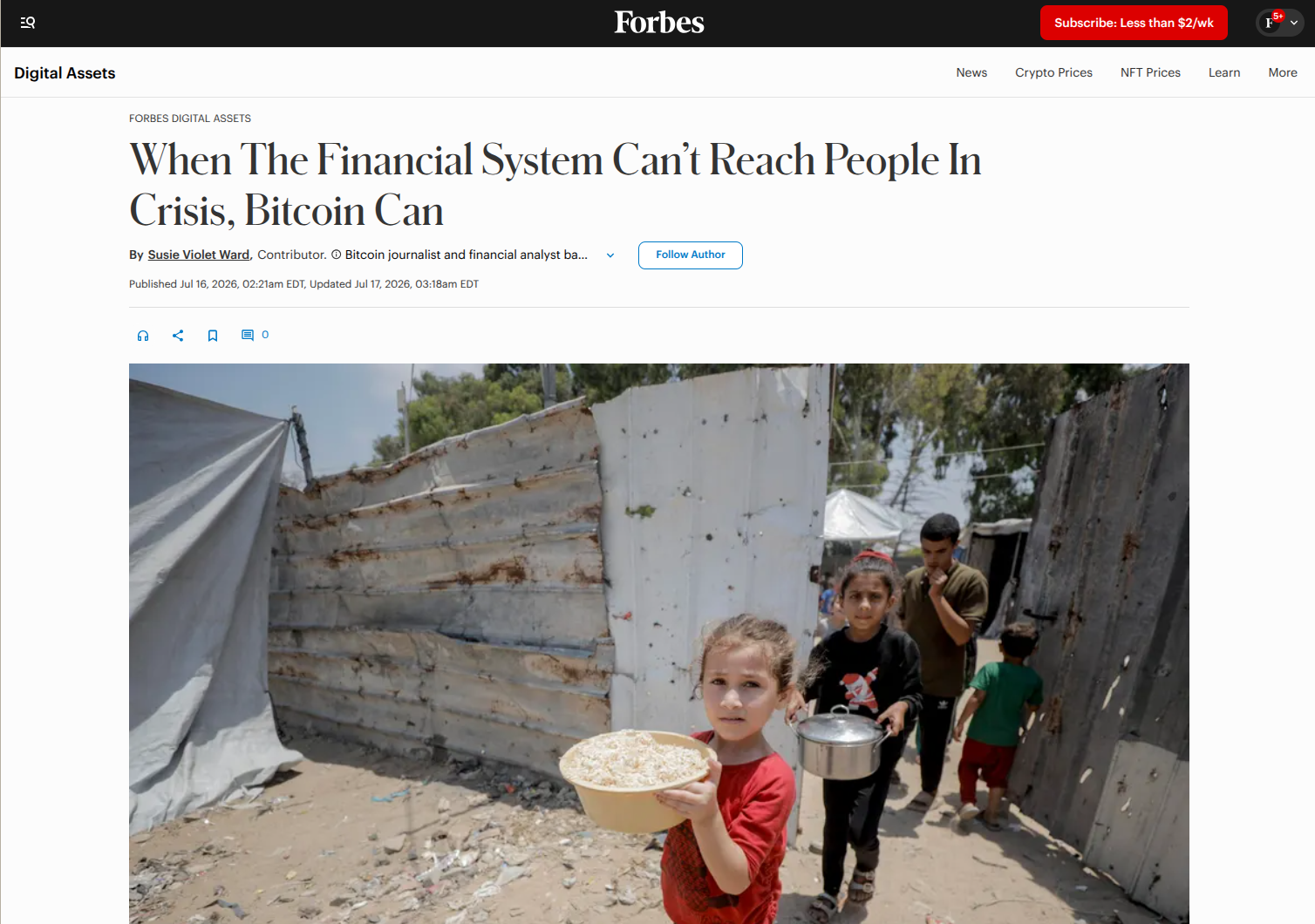
Sami's experience is not uncommon. "I have spoken with dozens of Palestinians who have had similar experiences where either a middleman, or a platform, refused to actually turn over the proceeds to the intended recipient," Robbins said. "This leaves people without the medical care, food or housing that they desperately needed those funds for."
And thieving beneficiaries are only one failure mode. Bureaucratic red tape demands documentation that people who have lost everything often cannot produce. GoFundMe has shut down or blocked withdrawals from multiple Gaza campaigns, according to reporting by Al Jazeera. Every layer between the donor and the recipient is a place where the money can be skimmed, frozen, or stolen.
"Meanwhile supporters from abroad would be willing to help if they only had a way to reach people and know that their money is actually ending up in the beneficiary's pocket and not a middleman," Robbins said.
Why Agora Is the Only Unstoppable Crowdfunder
This is the exact problem we built Agora to solve. Bitcoin needs no middleman. Unlike traditional crowdfunding platforms and money transmission services, donors can send funds overseas directly, practically instantaneously. It's completely unstoppable money.
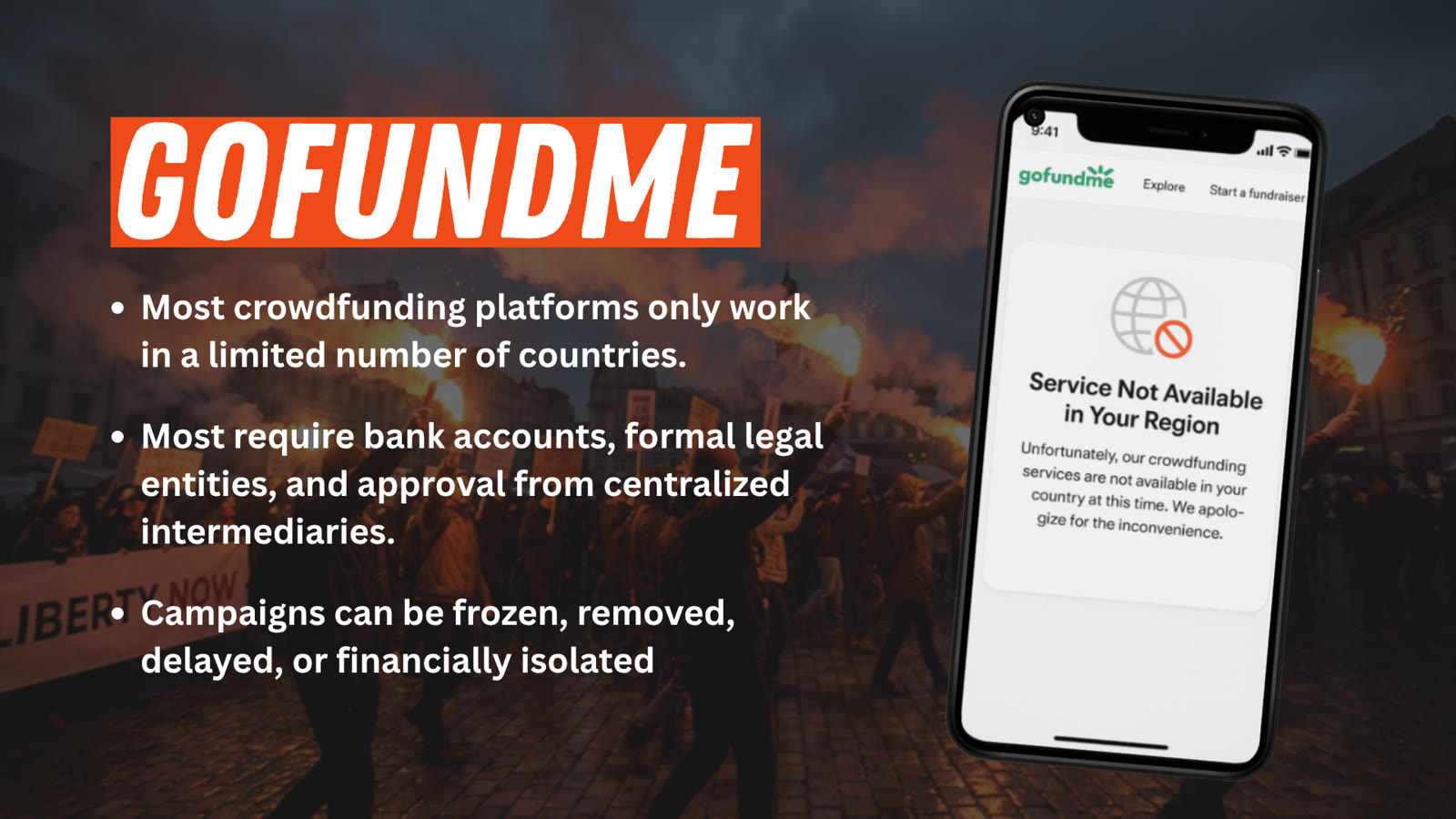
Sami's story, and the stories of so many others who have had campaigns taken down by GoFundMe or funds held hostage by intermediaries, prove a simple rule: any middleman in the fundraising process is a threat to sovereignty. It doesn't matter if the middleman is a platform, a payment processor, or your sister's ex-husband. If someone else holds the money, someone else decides whether you get it.
That rule applies inside Bitcoin too. There is a movement within Bitcoin right now to move away from on-chain payments and onto layer 2 services, or even layer 3, and onto middleman servers like BTCPay Server. These services trade sovereignty for privacy. In some cases, that may be a desired and worthwhile tradeoff. But in Sami's case, and for anyone who needs fundraising that cannot be stopped, that tradeoff is the difference between feeding their family and starving. Sami's story is exactly why unstoppability matters.
Agora keeps the money where it belongs: in a wallet controlled by the recipient. There are no platform fees. There is no paperwork and no bureaucracy. The platform is built on the decentralized Nostr protocol for censorship resistance at every level, and we developed it in collaboration with the Human Rights Foundation and World Liberty Congress, organizations working on the front lines of the fight against digital autocracy. As I told Forbes: we can't take your account from you. We can't shut down your campaign. We can't take your money. For people dealing with trauma and a lack of control over their lives, that can be a huge moment of empowerment.
Agora has been adopted widely by the people of Palestine, with hundreds of campaigns already launched in the region. The platform has also been used for earthquake relief efforts in Venezuela, to support women's financial sovereignty in Kenya, and by censored and targeted democracy advocates worldwide. These communities have already been forced to turn to Bitcoin for survival. Anywhere the financial system has collapsed, or where citizens are locked out of the system due to political repression, people immediately understand the need for Agora without further explanation.
Sami Is Starting Over
For Sami, Agora is a much-needed lifeline. "I am starting over through the Agora platform," he wrote on his new campaign, "which ensures that your generous support reaches my family directly and securely, without any middleman."
"I appeal to your humanity today as a father who simply wants to secure daily food and essentials for his children amid this unbearable economic hardship, and to help us survive. Every single donation, no matter how small, means the world to us and gives my children hope for a safer tomorrow."
- Sami Shannat
He is hoping to recoup the money he says was stolen from him. This time, every donation goes straight to a wallet that only he controls. No beneficiary. No platform holding the funds. No one who can take it away.
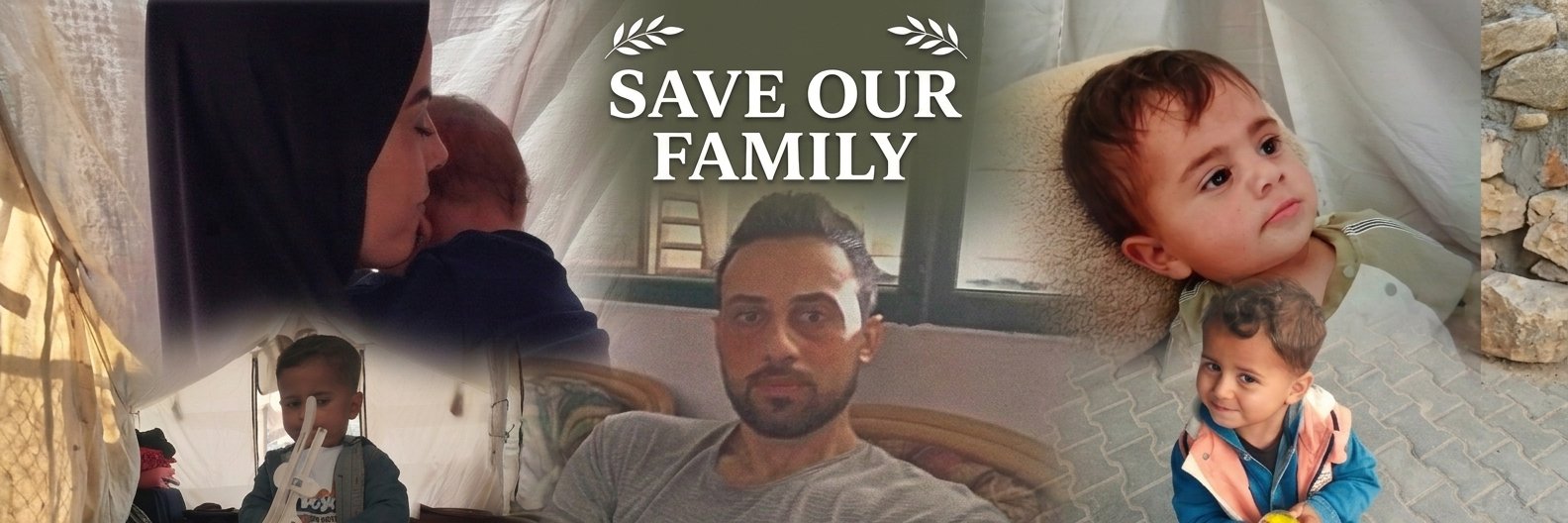
As for Agora, this is just the beginning. No more campaign shutdowns, no more bank account seizures, and no more censorship. We have the technology now to make money unstoppable, and we're ready to bring it to the world.
Related Reading
Soapbox is funded by grants and donations, not ads or data sales.
Everything we build is open source and belongs to the community. Help us keep it that way.