Bitcoin Babies: A Circular Economy for Women's Sovereignty in Kenya
We visited Bitcoin Babies in Matangi, Kenya, where mothers earn and spend Bitcoin in a circular economy built for women's financial independence.
When Bitcoin Babies became one of the first accounts to create a campaign on Agora, we took notice. So when Alex Gleason and I found ourselves in Nairobi for the bitcoin++ open source edition, we knew we had to visit.
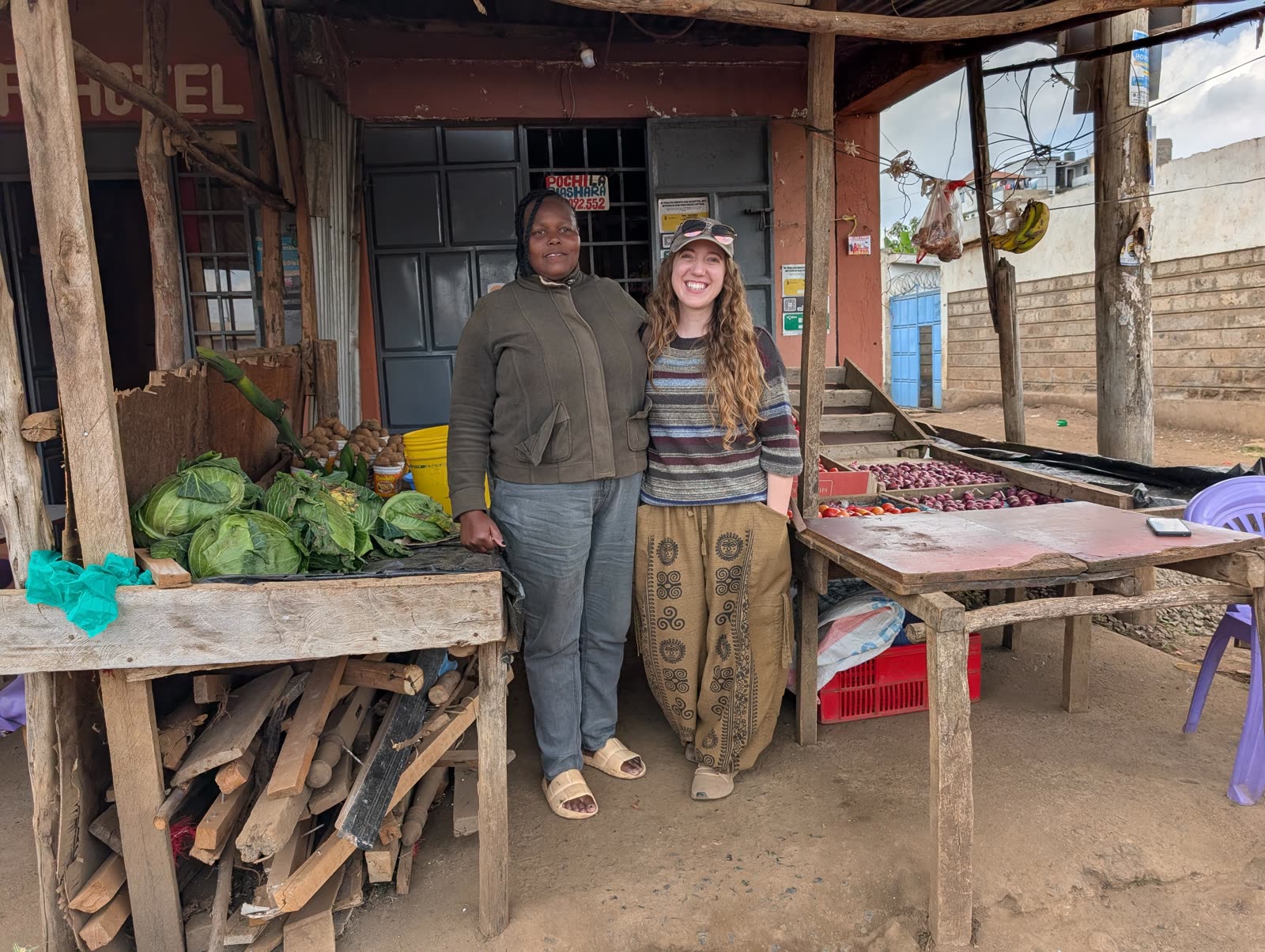
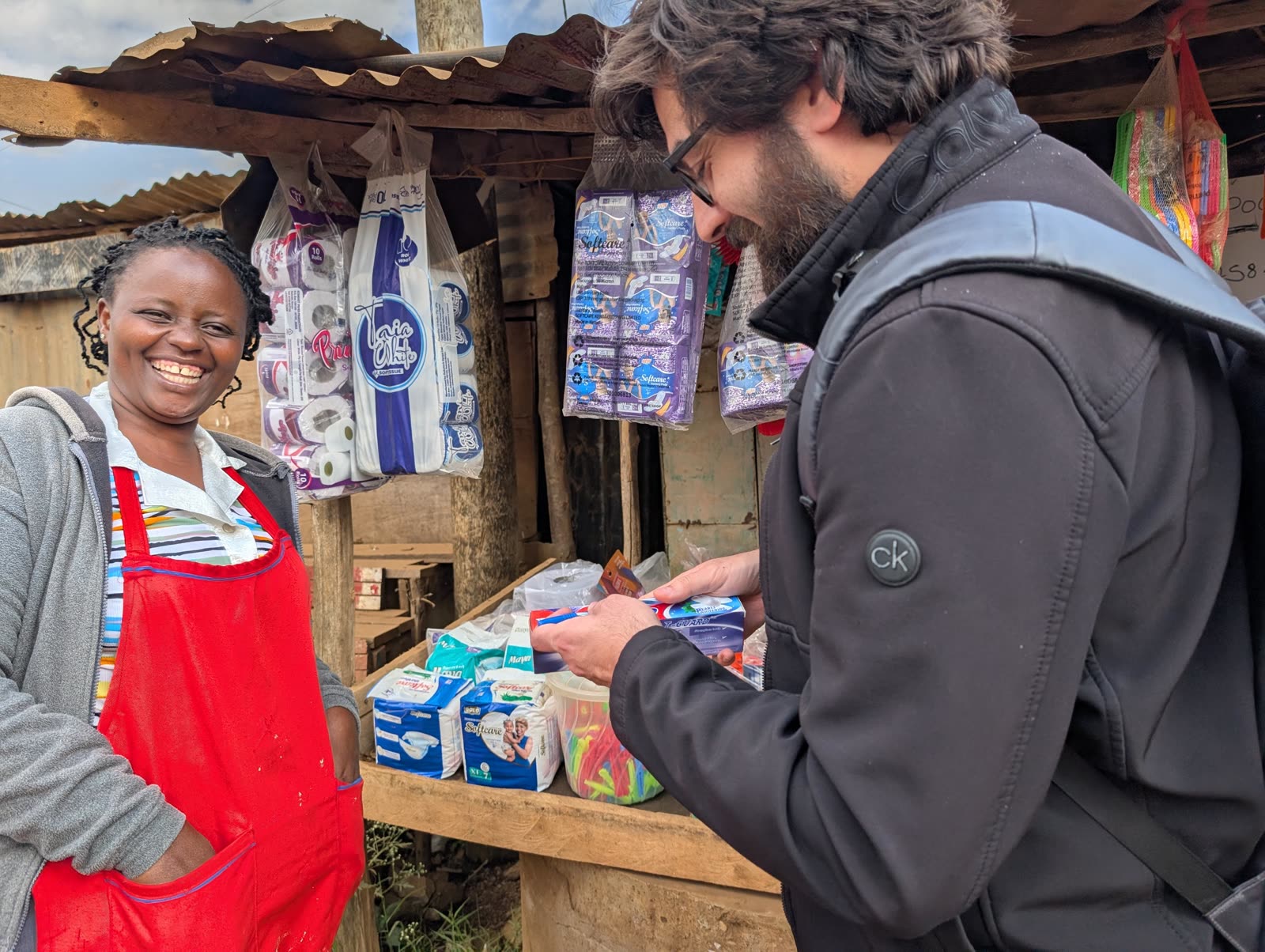
Bitcoin Babies generously offered us a tour of the community they serve in Matangi, just outside Nairobi. Dan, who leads the program on the ground, and Eve, their community manager and herself a graduate of the program, walked us shop to shop through a neighborhood where Bitcoin isn't a speculative asset. It's how mothers buy dinner.
What Bitcoin Babies Does
Bitcoin Babies provides motherhood education, community support, and financial independence to mothers who are traditionally locked out of the economic system. Mothers in the program meet weekly to learn about infant nutrition, entrepreneurship, and financial wellness. And each mother receives a weekly stipend, paid in Bitcoin, that she can spend throughout her community.
The Bitcoin part is not a gimmick. It's the point. In many households, men expect to control the bank accounts. A woman's money is not really hers if someone else holds the keys. Bitcoin changes that math. A mother with a Lightning wallet on her phone has money that no one can freeze, confiscate, or spend on her behalf. That's autonomy.
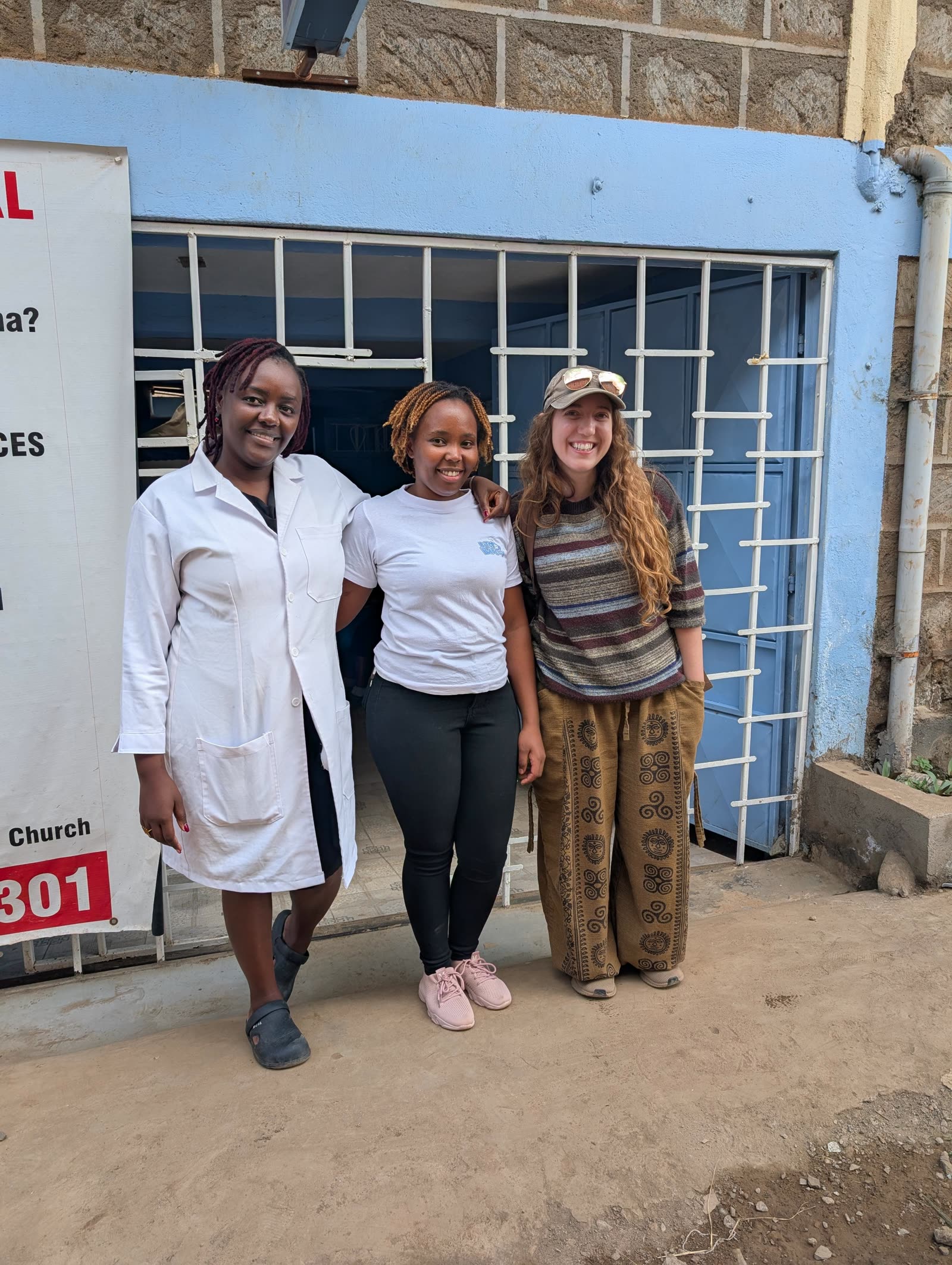
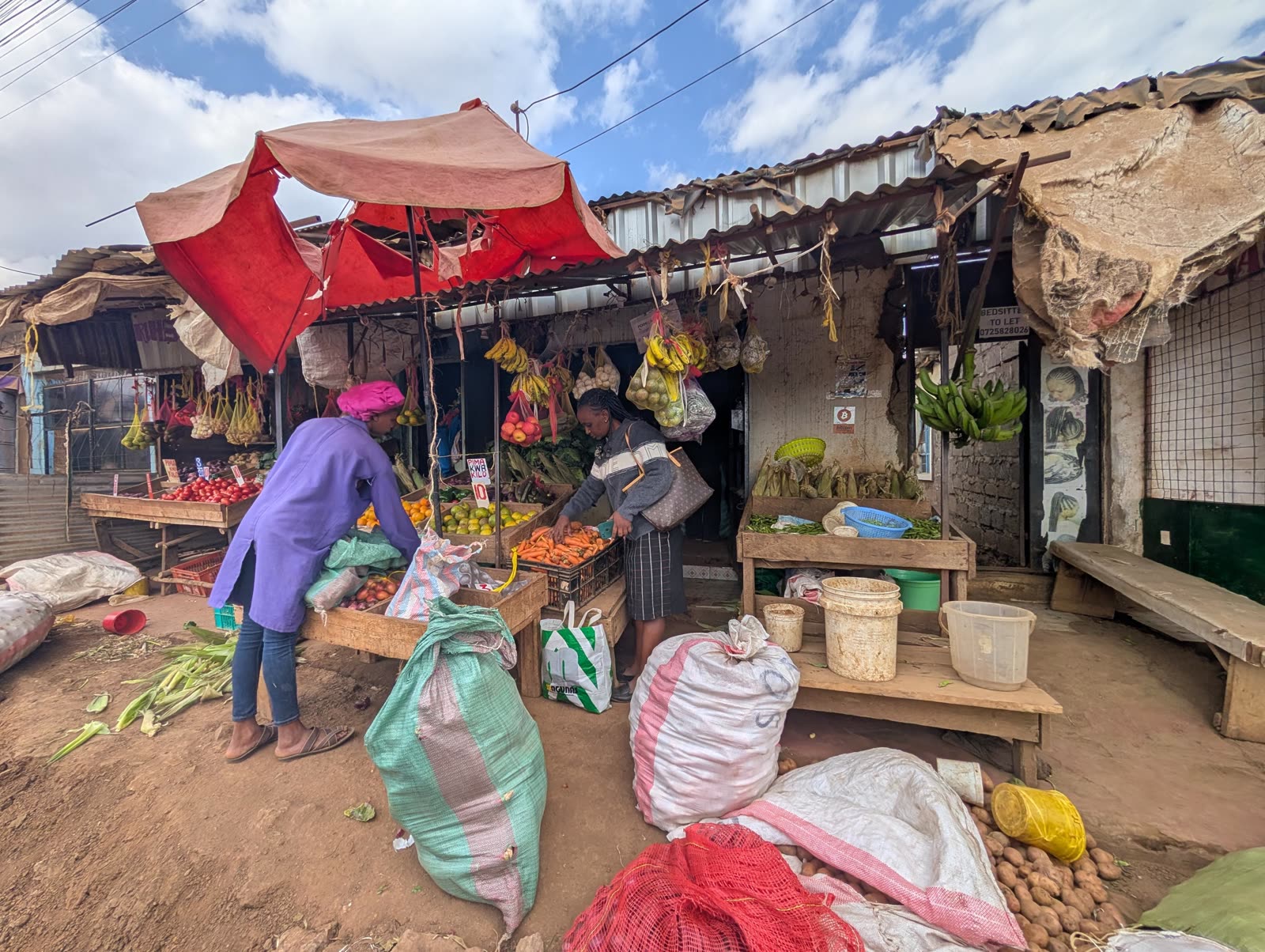
Left: visiting Miale Medical Centre with Eve. Right: a produce market in Matangi where merchants accept Bitcoin.
A Real Circular Economy
The mothers don't have to convert their stipend to shillings to use it. Bitcoin Babies has built a genuine circular economy in Matangi, where mothers can buy everything from food to medical supplies to clothes with Bitcoin. Groceries, the pharmacy, the butcher, the medical clinic, the salon, even the chapati stand. All of them accept sats over Lightning.
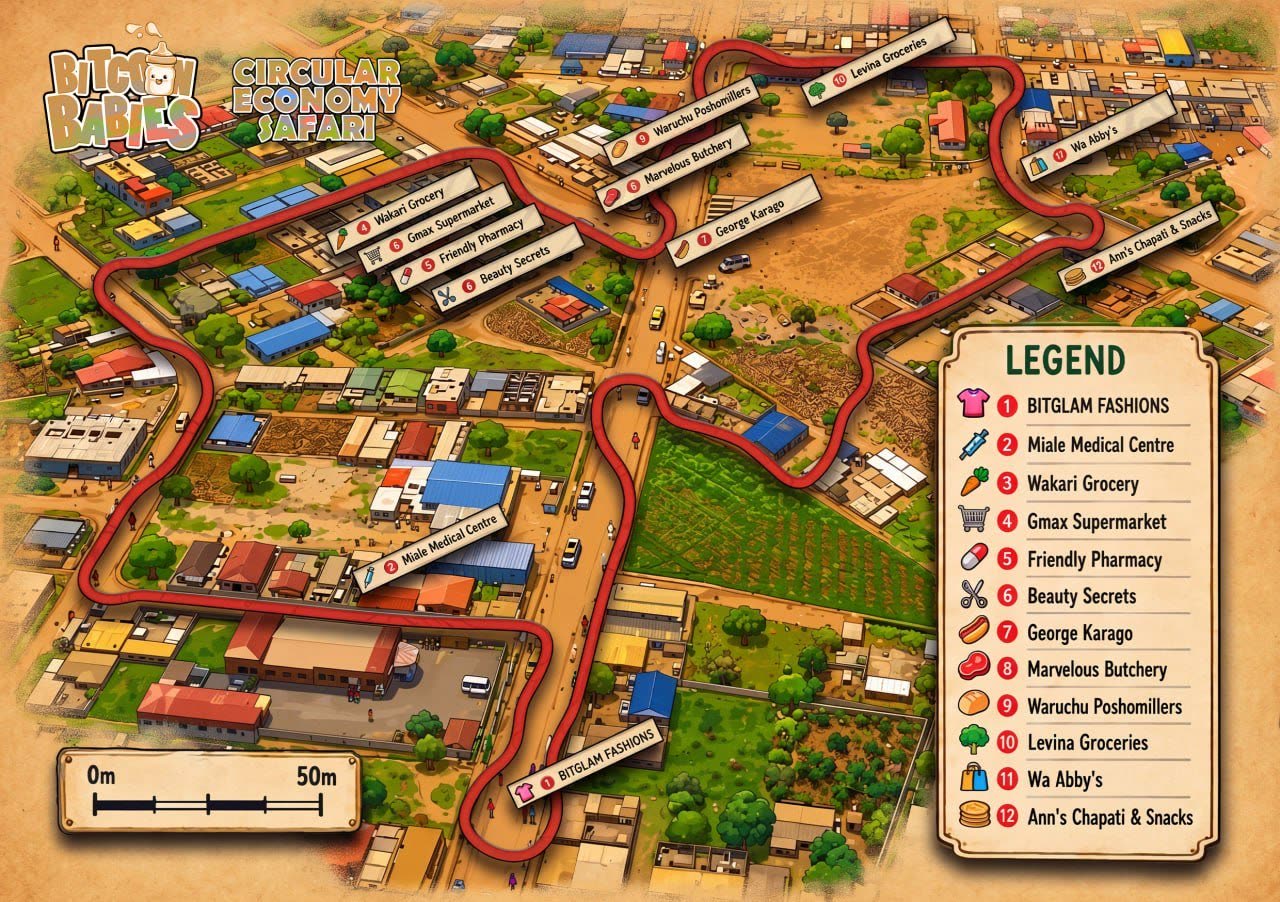
Here's my favorite part: many of the merchants are graduates of the program themselves. A mother enters the program, learns to save and spend in Bitcoin, starts a business, and then becomes one of the merchants that the next cohort of mothers spends their stipends with. The money circulates instead of leaking out. The program literally grows its own economy.
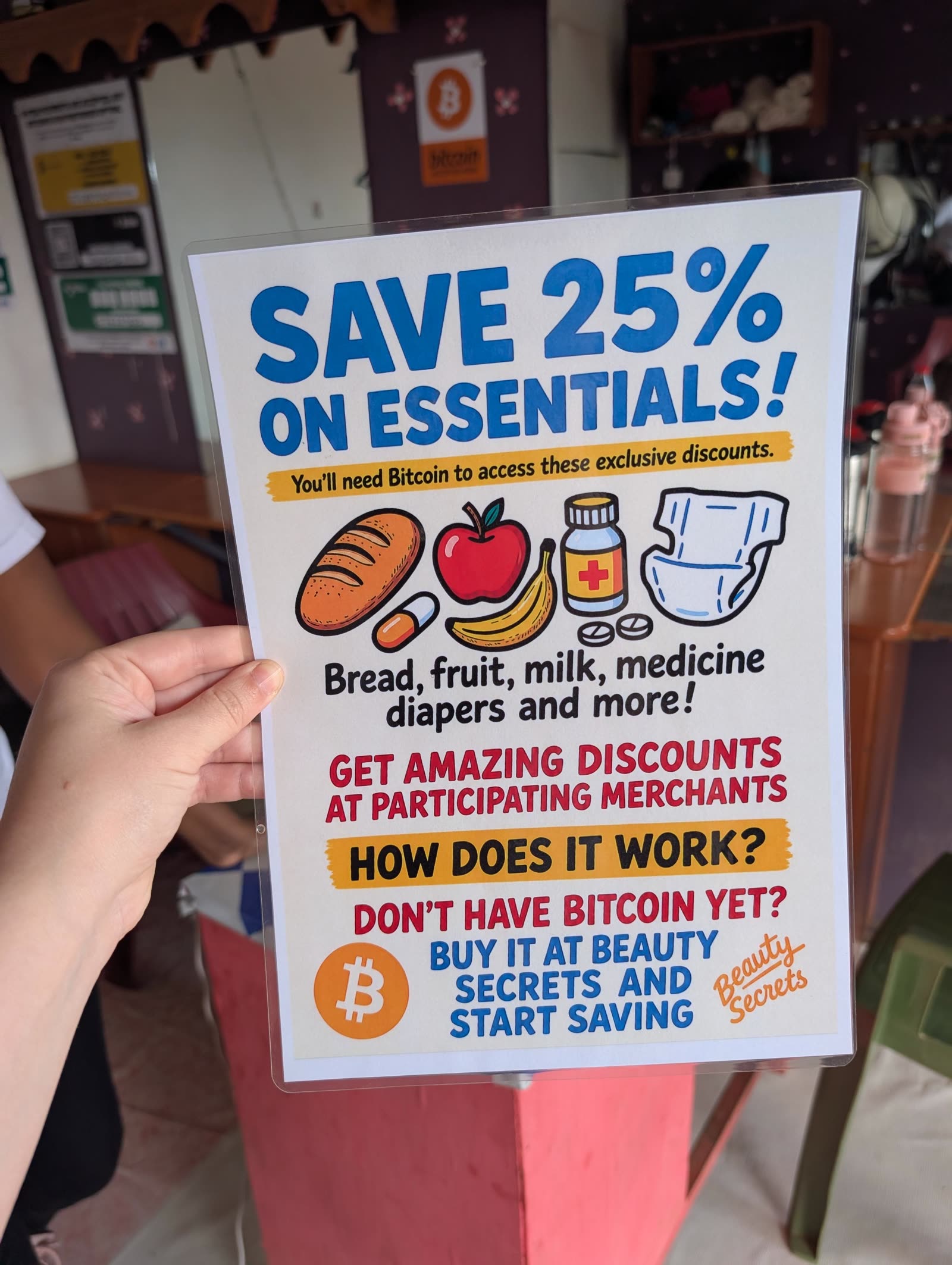
Merchants even offer discounts to keep the loop going. One shop hands out flyers offering 25% off essentials like bread, fruit, milk, medicine, and diapers when you pay in Bitcoin. If you don't have Bitcoin yet, they'll sell you some and get you started.
Bitcoin Is Just How You Pay Here
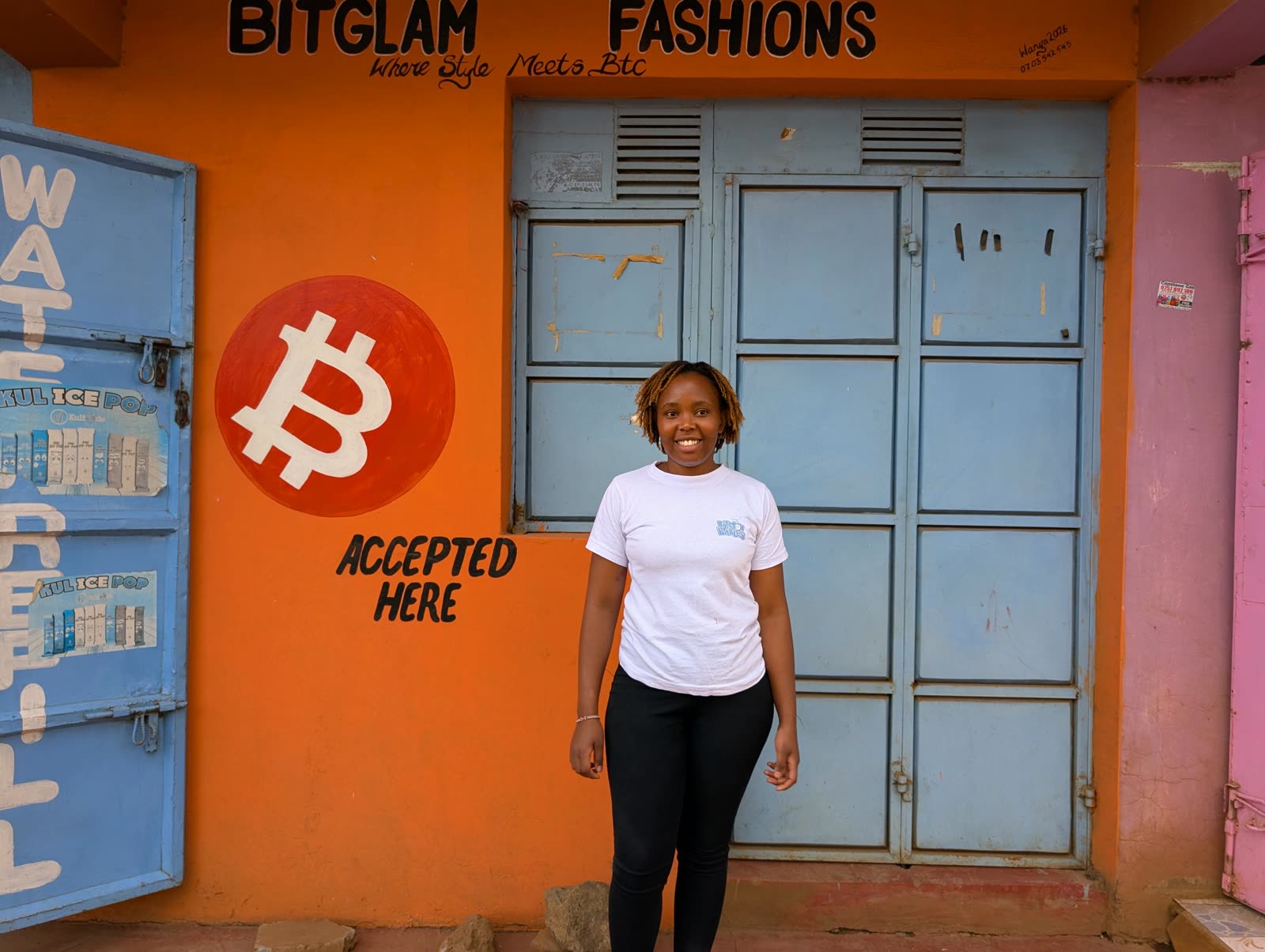
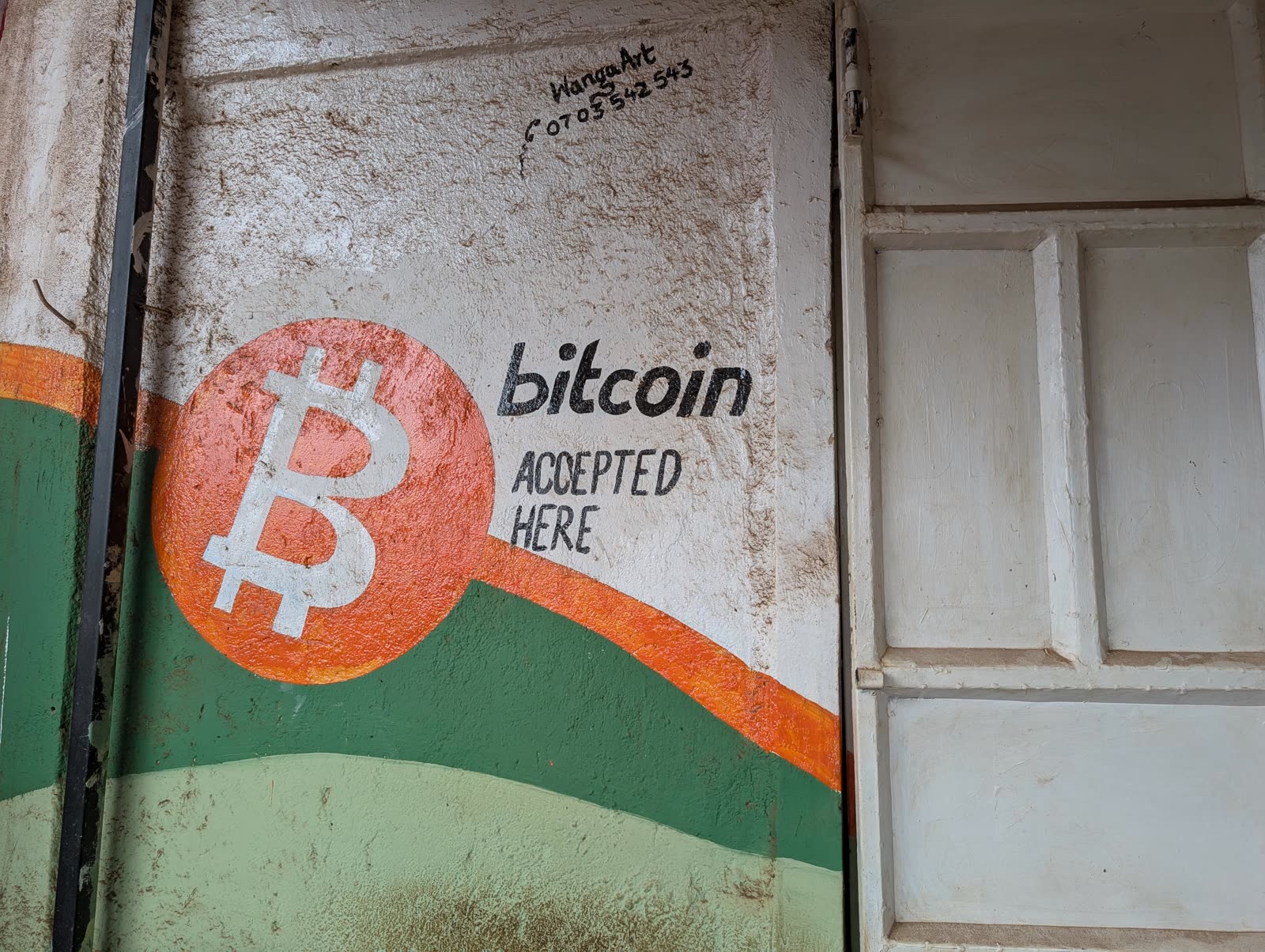
The impact of Bitcoin on this community is obvious the moment you walk down the street. Shops proudly display hand-painted murals promoting their adoption of Bitcoin. Lightning addresses are posted at the till right alongside M-Pesa numbers and other forms of digital payment. Some posters go further: "M-Pesa payments are accepted, but Bitcoin is our preferred option."
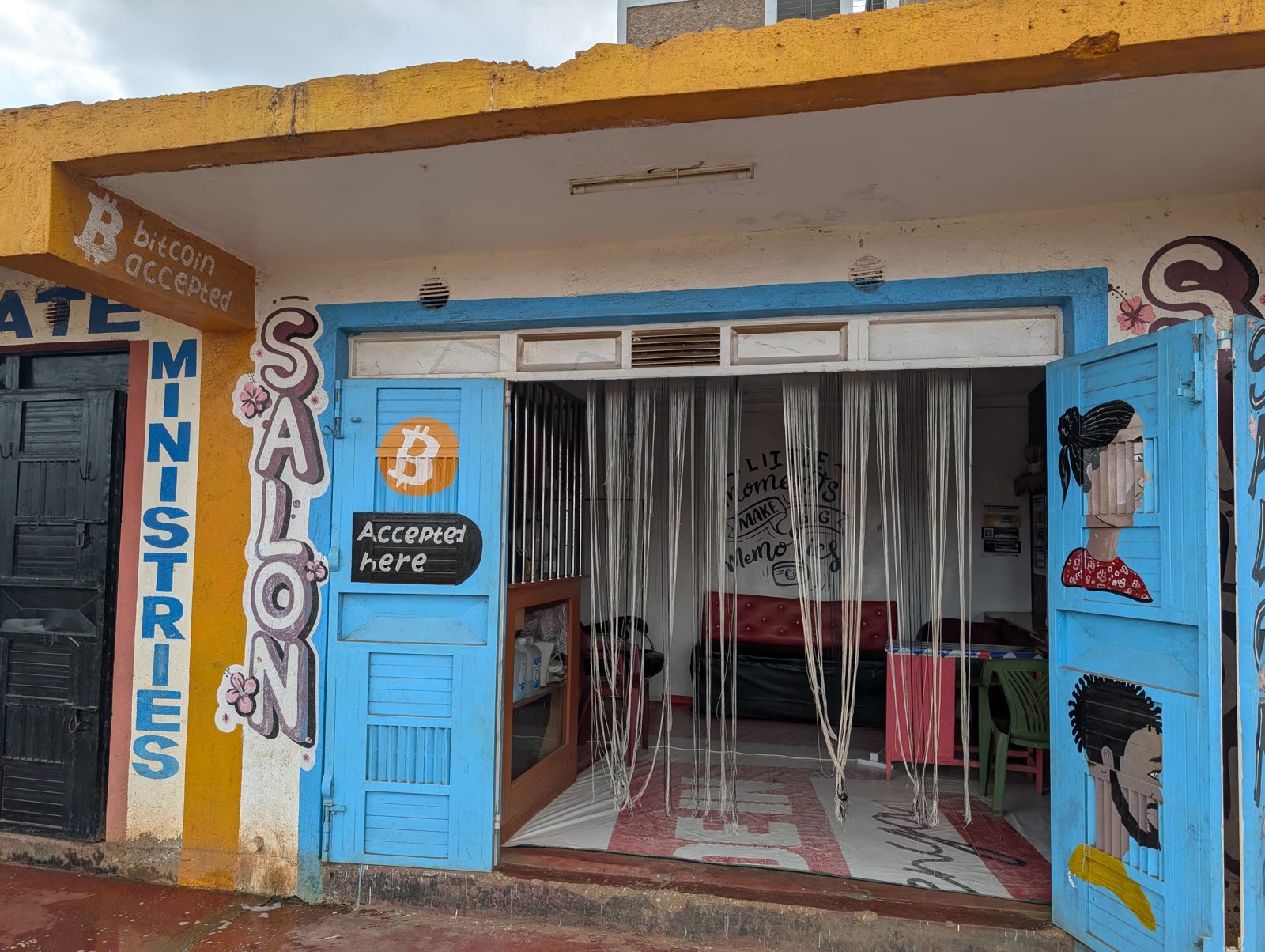
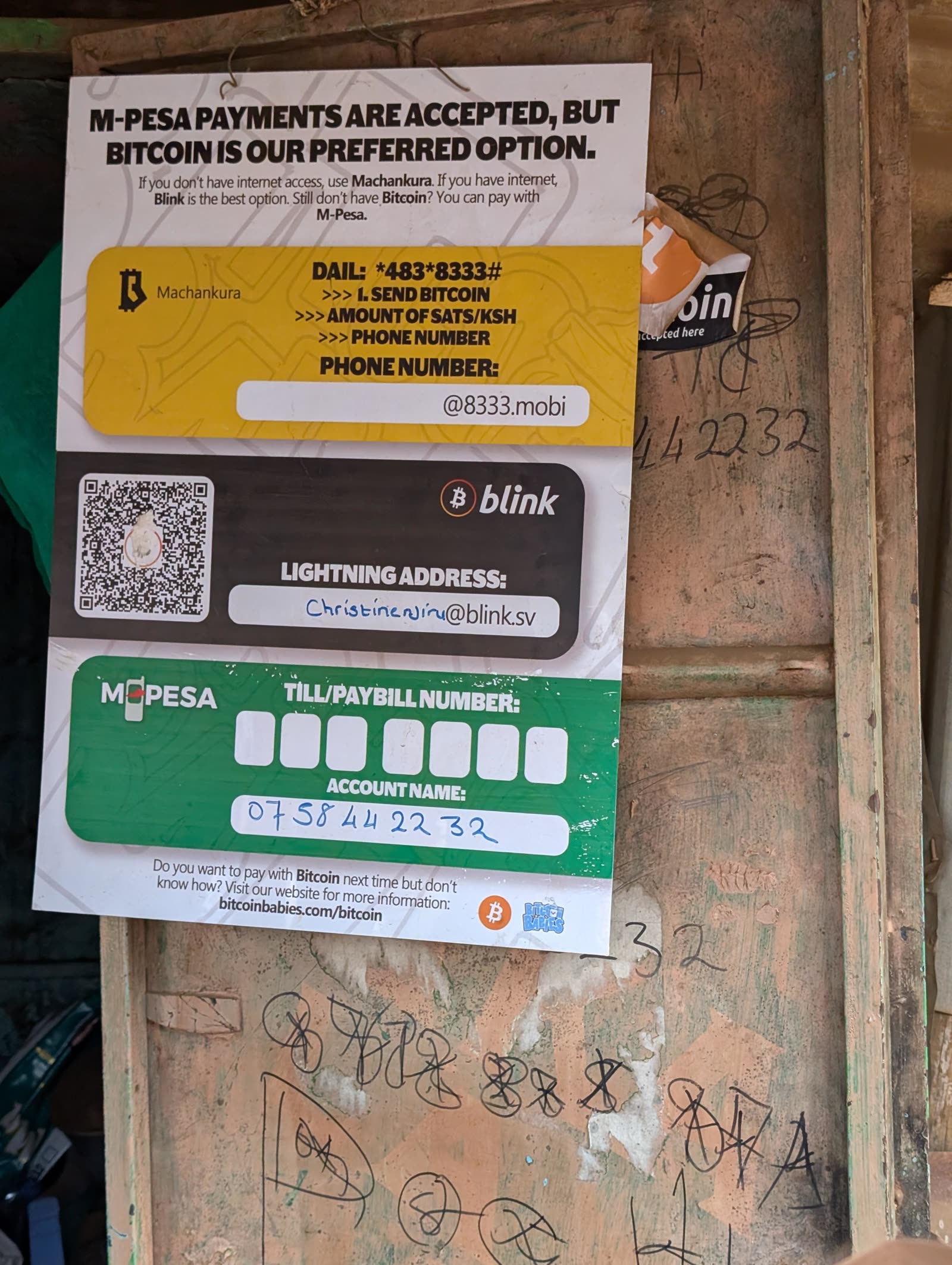
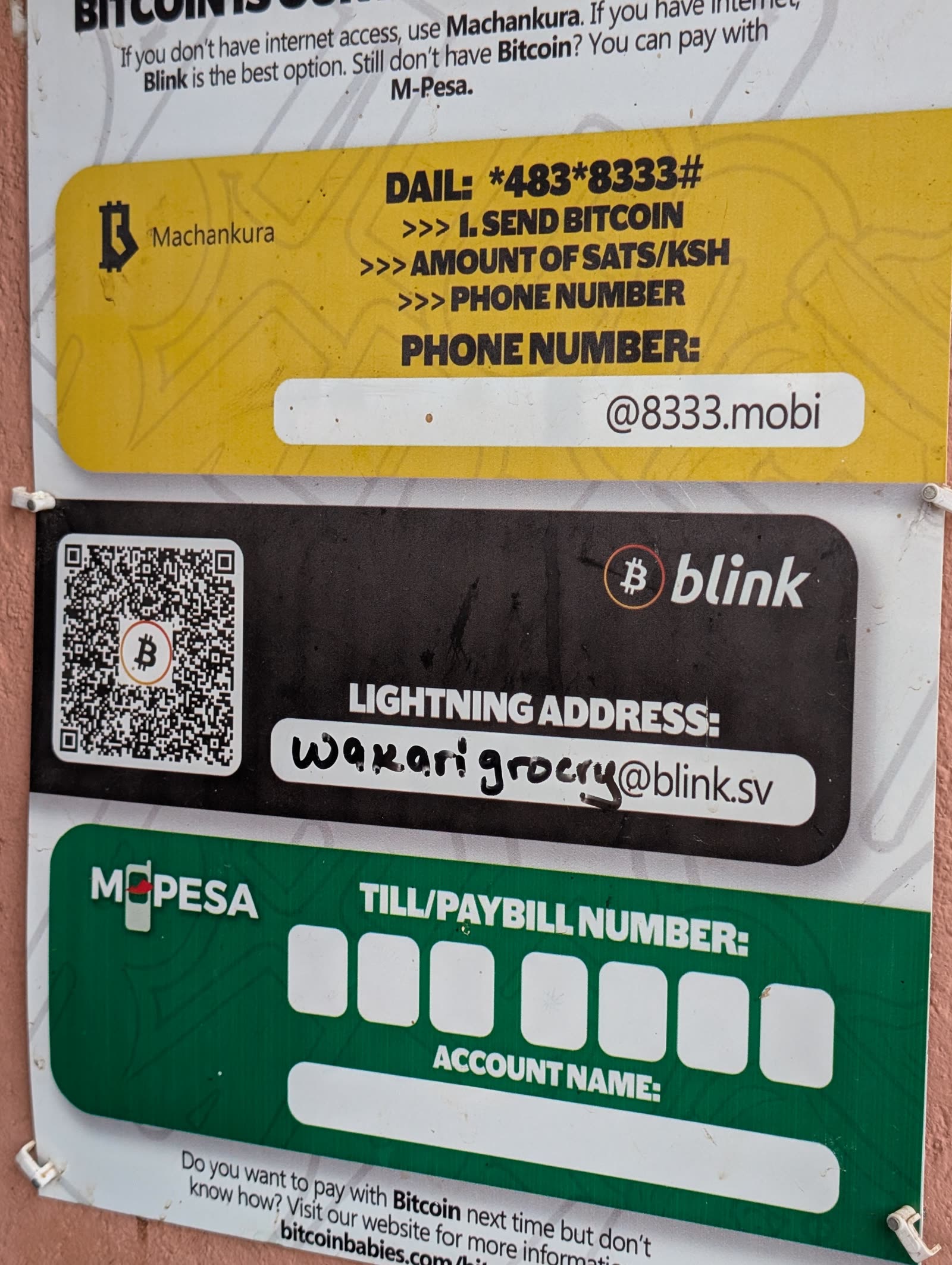
And yes, it actually works. I bought a Coke with Lightning. The payment settled before the bottle hit the counter.
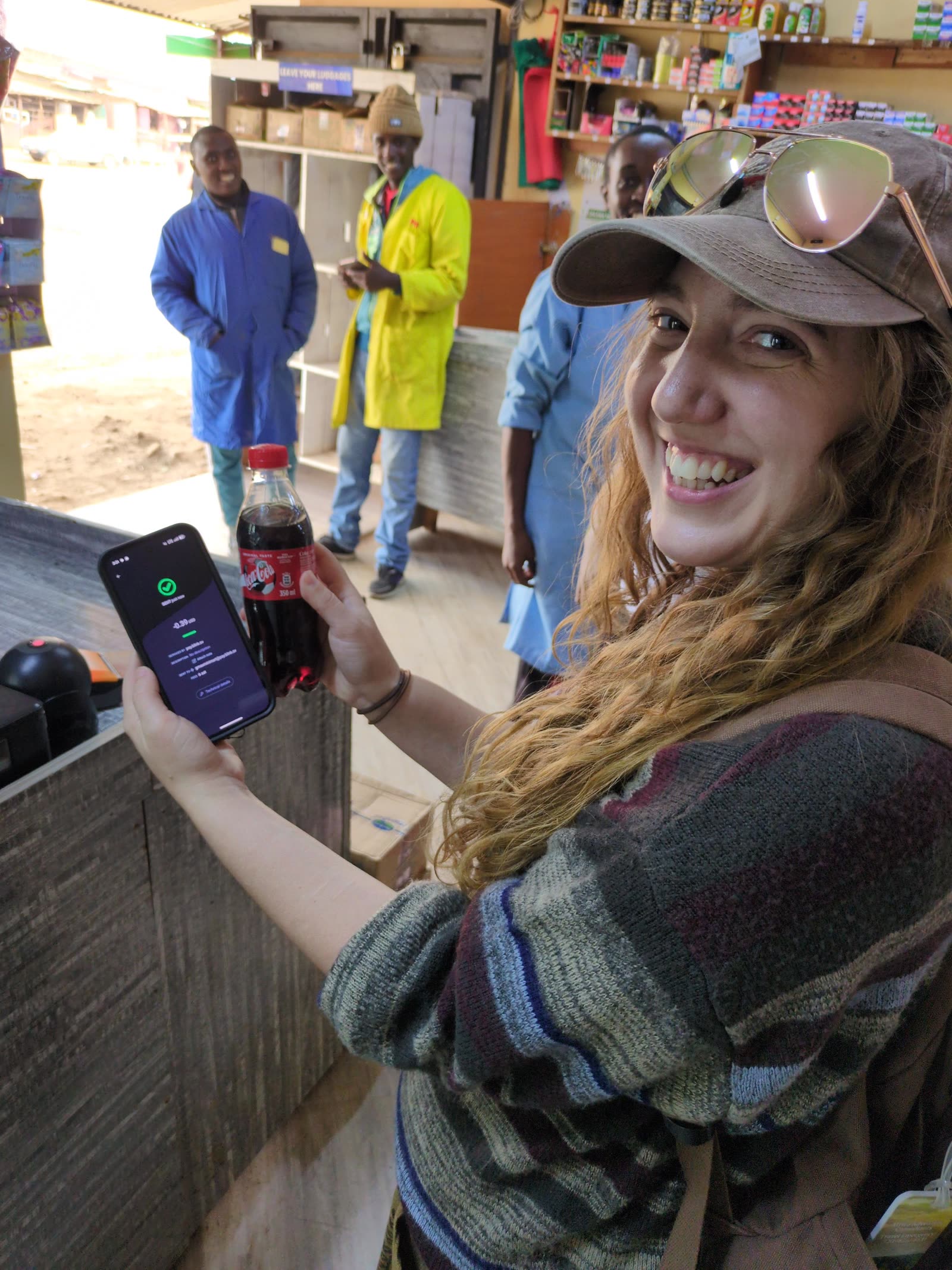
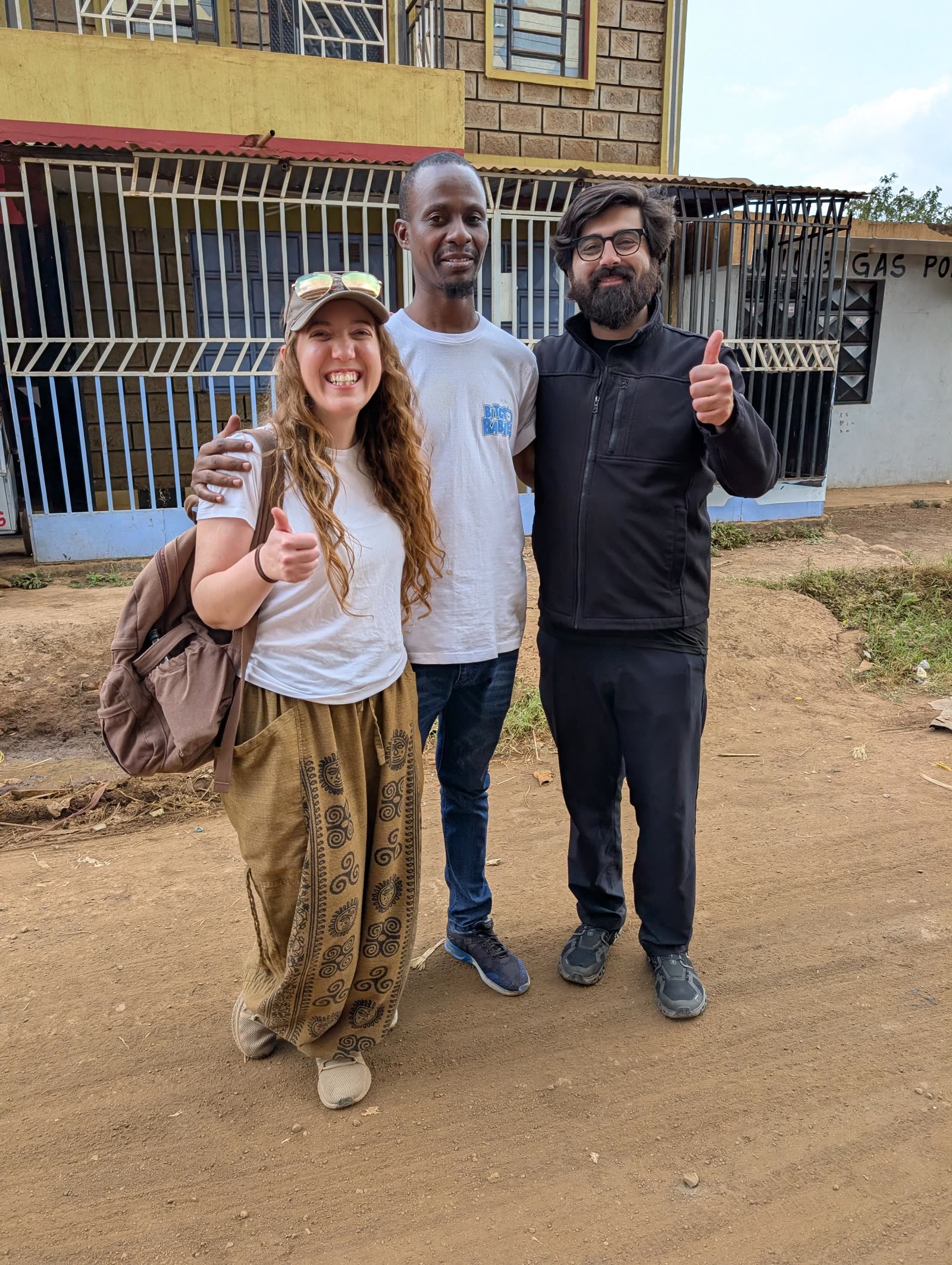
Left: paying for a Coke over Lightning. Right: with Dan from Bitcoin Babies in Matangi.
A Generation Raised on Sovereignty
The result of all this is bigger than any single transaction. An entire generation of children in Matangi is now growing up with educated and independent mothers, complete nutrition, access to medical treatment, and their needs met. When mothers thrive, the whole community benefits. The merchants earn more. The clinic sees healthier kids. The next cohort of mothers has role models who look like them and live down the street.
Bitcoin Babies is proof of something we believe deeply at Soapbox: combining community needs with education and sovereign finance in one program is the key to liberation. Not education alone. Not aid alone. Not Bitcoin alone. All three, woven together by people who live in the community they serve.
Support Bitcoin Babies on Agora
This is exactly the kind of campaign Agora was built for. You can support Bitcoin Babies directly, from anywhere in the world, with no intermediary taking a cut. Every sat goes directly to helping women and children in the program.
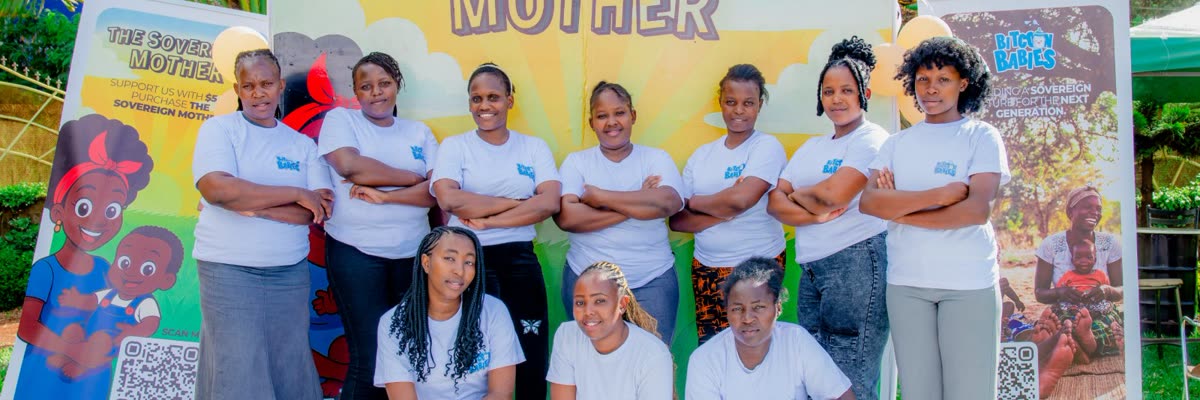
Bitcoin Babies - The Sovereign Mother
Empowering mothers, transforming futures. This fundraiser supports three active cohorts of mothers in Kenya, Burundi, and Pakistan for a full year: weekly Bitcoin stipends, practical education, and a lifelong community.
 Bitcoin Babies 🍼
 Scan to donateDonate on Agora
Learn more about the program at bitcoinbabies.com
Related Reading
Soapbox is funded by grants and donations, not ads or data sales.
Everything we build is open source and belongs to the community. Help us keep it that way.