Venezuelans Turn to Bitcoin to Fund Earthquake Relief
"This is a chance for the world to see Bitcoin as borderless money."
When an earthquake hit Venezuela this month, foreign aid started flowing in fast. Almost all of it goes through the same narrow pipe: a US- or European-backed NGO acting as the intermediary, holding the funds and managing the campaign on behalf of whoever's actually doing the work on the ground.
That works fine for large, established organizations. It doesn't work for the people who are actually in the shelters every day: the doctor running a medical clinic, the volunteer coordinating meals for displaced families, the small group of neighbors who organized a support network for traumatized kids. These are the people closest to the need, and they're almost entirely locked out of fundraising for themselves.
Without a foreign intermediary willing to vouch for them and manage the money, they have no functioning way to raise funds directly. Borders have become the financial barrier right when speed matters the most.
"I need to set up a crowdfunder, but going through relatives abroad means high fees and delays at every step. Sometimes the money takes weeks to actually reach us."
- Venezuelan organizer
This is exactly the problem Bitcoin solves.
Bitcoin cuts out the gatekeeper
Community organizations on the ground are turning to Agora, a Bitcoin-based crowdfunding platform, to raise money directly from donors worldwide with no bank, no NGO, and no border checkpoint in between.
Agora lets anyone launch a fundraiser with no intermediary and no central authority, settled peer-to-peer in sats. For grassroots organizers in Venezuela, it's the only way to raise funds autonomously.
In traditional crowdfunding, verification happens through KYC, paperwork, and bureaucracy, creating a barrier to small grassroots initiatives that lack the overhead and admin required.
Agora's decentralized verification system, on the other hand, allows donors to give with confidence through a web of trust system rather than through centralized gatekeepers. Local organizers have years of experience and connections inside the country's activist and civil society networks. This allows verification to happen organically rather than in a top-down way.
"Foreign aid and big NGOs matter, but they were never going to reach everyone. Agora exists for the people the traditional system leaves behind. These campaigns are verified not by paperwork, but by the people already working alongside them on the ground. That's the power of freedom tech."
- Venezuelan organizer with the local civil society network coordinating relief efforts
Three earthquake relief campaigns on Agora
WLC and local organizers are now running three earthquake relief campaigns on Agora, each tied to a specific need on the ground. These are real people, doing the work today, and they need sats now. Prefer to give to the whole effort at once? A collective relief fund lets you do that too:
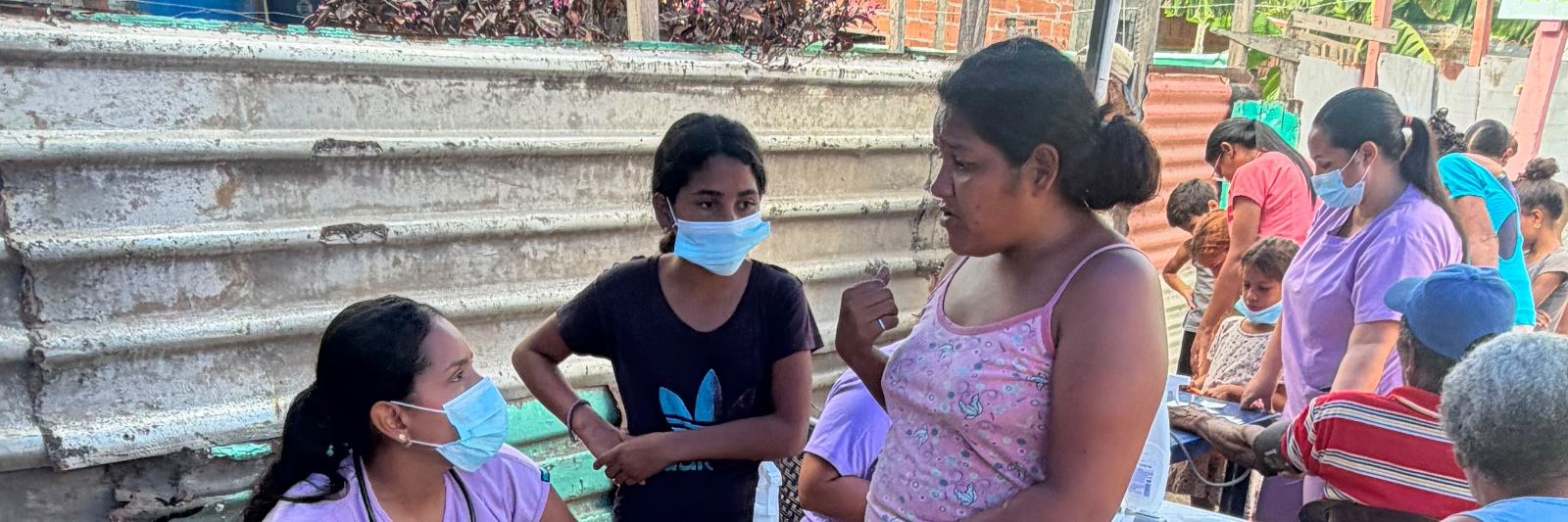
Medical Brigades Fund
Volunteer doctors and nurses from Universidad de Carabobo deploy to areas where public health infrastructure collapsed after the quakes, running field clinics with consultations, first aid, emergency triage, and an on-site pharmacy. Every sat goes straight to fuel, supplies, and team mobilization.
Donate now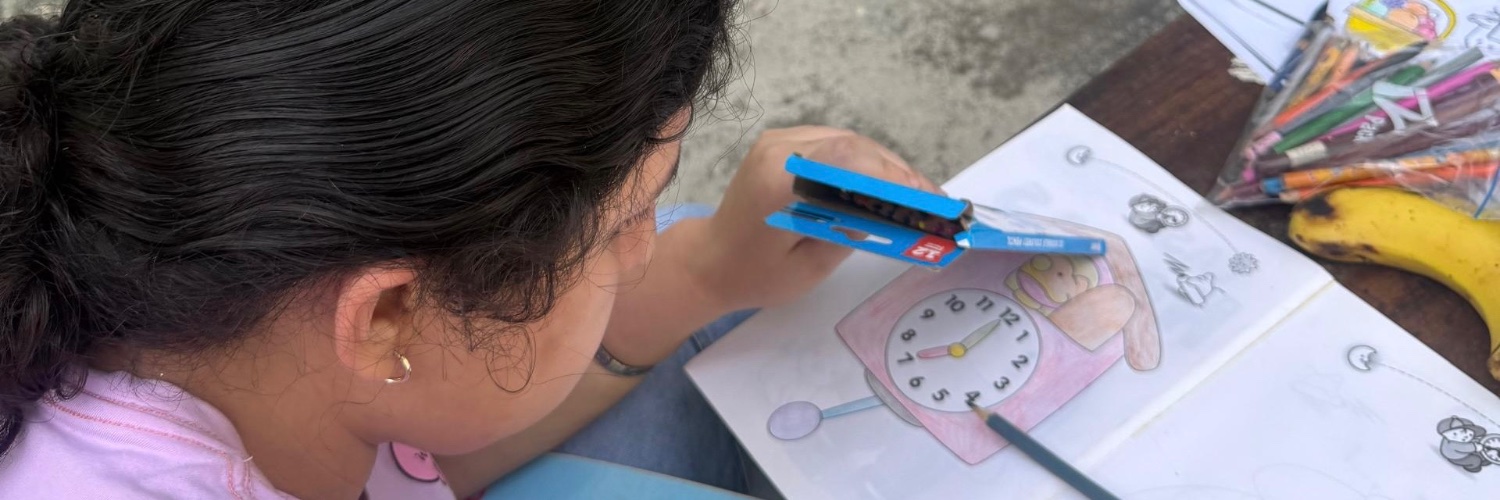
Proyecto Sonrisa
For children who lost their parents or homes in the earthquake, Proyecto Sonrisa brings toys, art, group activities, and steady companionship to shelters week after week. It is a sustained presence that lets kids be kids again in the middle of the chaos.
Donate now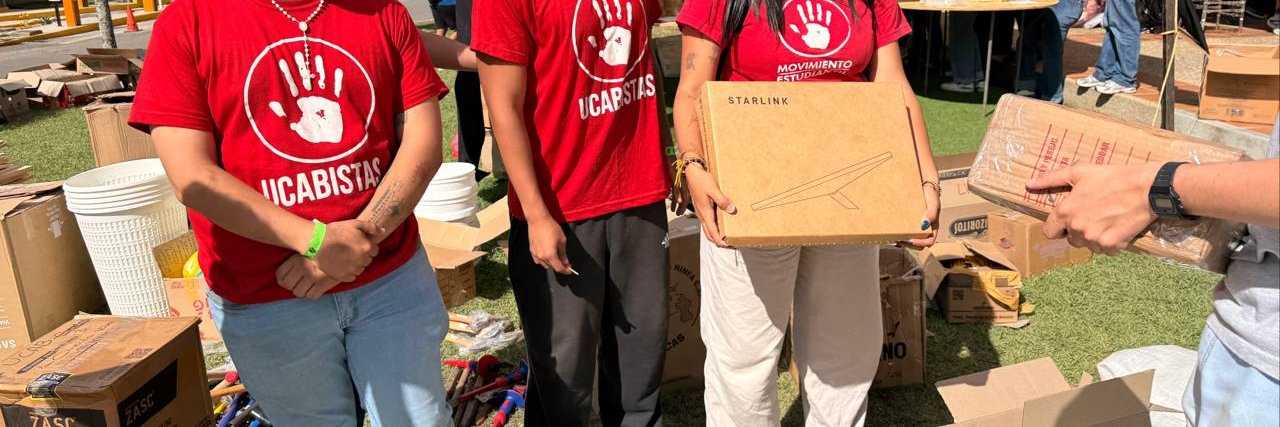
Connecting Hope: Starlink Antennas
La Guaira has over 100 shelters, and at least half remain in a total information blackout with no power and no cell service. A student-led team is installing Starlink antennas so rescuers, doctors, and victims can coordinate. In a disaster, connectivity saves lives, and every antenna reaches more people who've been cut off.
Donate now
Agora Venezuela Earthquake Relief Fund
Not sure which to pick? This collective fund lets you support the whole effort at once. Agora distributes your donation across all the earthquake relief campaigns to the final recipients on the ground. One gift, every cause.
Donate nowA real-world test for Bitcoin as money
This is a live, high-stakes test of Bitcoin's original promise: money that moves without permission, without borders, and without a gatekeeper deciding who's worthy of help.
"This is a chance for the world to see Bitcoin as borderless money. If we want Bitcoin to be taken seriously as a currency, not just as speculation, it's time to put our sats to work."
- Agora development team
The Bitcoin and freedom tech community is being asked to show up: donate, share, and help prove that sats can move faster and freer than any wire transfer or NGO channel ever could.
Fund Venezuela earthquake relief
100% of every sat goes to organizers on the ground.
Donate Bitcoin
Soapbox is funded by grants and donations, not ads or data sales.
Everything we build is open source and belongs to the community. Help us keep it that way.